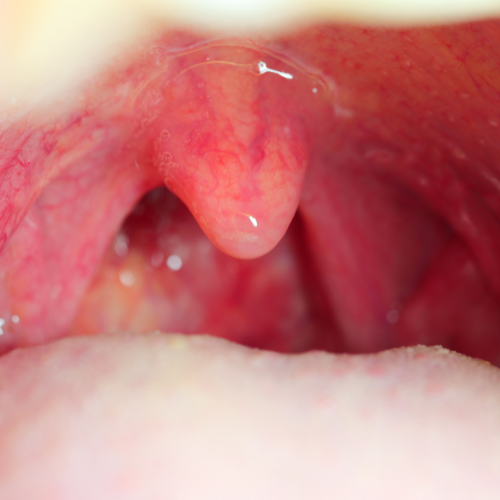
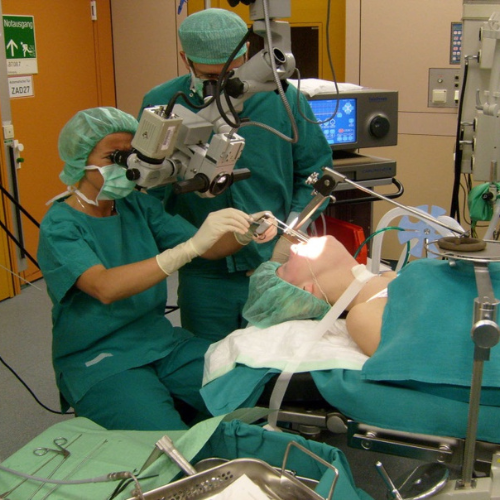
Purpose: Performed to treat recurrent infections, obstructive sleep apnea, and chronic ear infections caused by enlarged tonsils or adenoids.
Procedure: Minimally invasive surgery, typically lasting about 30 minutes, done under general anesthesia.
Benefits:
Reduces frequent throat and ear infections.
Improves breathing and resolves sleep apnea.
Enhances overall quality of life, especially in children.
Recovery: Takes around two weeks, with manageable pain and a recommended soft diet during healing.
Results: Patients usually experience long-term relief from symptoms, better sleep, and improved overall health.
Thyroid & Neck Swelling Surgery
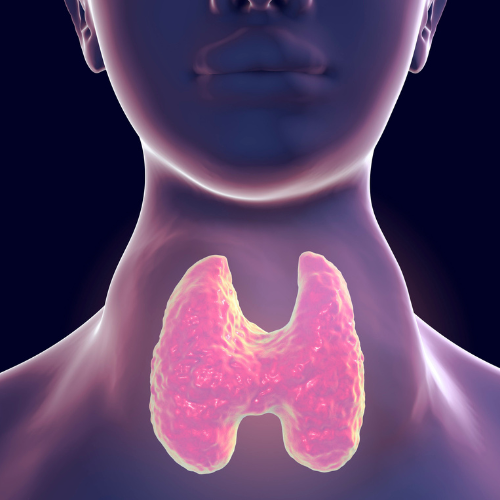
Purpose: Performed to treat thyroid disorders (such as nodules, goiters, or thyroid cancer) and neck swellings caused by cysts, tumors, or infections.
Procedure: Depending on the condition, the surgery involves partial or complete removal of the thyroid gland or the removal of abnormal neck masses, performed under general anesthesia.
Benefits:
Helps in resolving symptoms like difficulty swallowing, breathing issues, or hormonal imbalances.
Removes cancerous or non-cancerous growths, improving overall neck appearance and function.
Reduces discomfort and prevents potential complications from untreated thyroid or neck conditions.
Recovery: Recovery varies from a few days to weeks, with post-surgery monitoring of thyroid hormone levels and possible medication adjustments.
Results: Patients experience relief from symptoms, a reduction in swelling, and a better quality of life with proper thyroid function management.
Micro-Ear Surgery
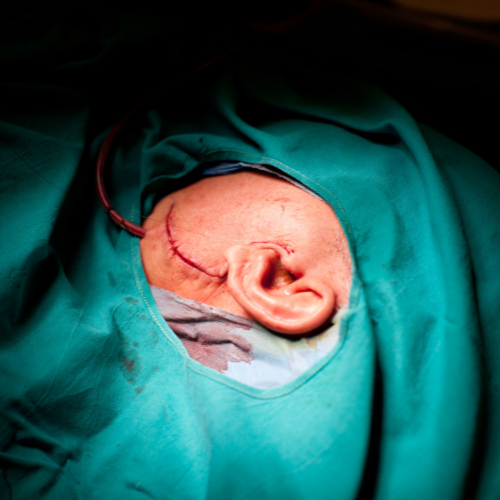
Micro-ear surgeries are specialized procedures aimed at treating chronic ear conditions and hearing loss. These surgeries include:
Mastoidectomy: Removes infected or damaged mastoid bone to prevent the spread of ear infections and improve ear health.
Tympanoplasty: Repairs a perforated eardrum or damaged middle ear bones to restore hearing and prevent recurring infections.
Stapedectomy: Replaces the stapes bone in the middle ear with a prosthesis to treat hearing loss caused by otosclerosis.
Each procedure is minimally invasive, performed under anesthesia, and typically offers significant improvements in hearing, ear function, and overall quality of life. Recovery times vary from a few weeks, depending on the surgery, with follow-up care ensuring successful outcomes.
Mastoidectomy
Purpose: Performed to treat thyroid disorders (such as nodules, goiters, or thyroid cancer) and neck swellings caused by cysts, tumors, or infections.
Procedure: Depending on the condition, the surgery involves partial or complete removal of the thyroid gland or the removal of abnormal neck masses, performed under general anesthesia.
Benefits:
Helps in resolving symptoms like difficulty swallowing, breathing issues, or hormonal imbalances.
Removes cancerous or non-cancerous growths, improving overall neck appearance and function.
Reduces discomfort and prevents potential complications from untreated thyroid or neck conditions.
Recovery: Recovery varies from a few days to weeks, with post-surgery monitoring of thyroid hormone levels and possible medication adjustments.
Results: Patients experience relief from symptoms, a reduction in swelling, and a better quality of life with proper thyroid function management.
Tympanoplasty
Purpose: Aimed at repairing a perforated eardrum or damaged middle ear bones to restore hearing and prevent recurring ear infections.
Procedure: Involves reconstructing the eardrum or middle ear bones using tissue grafts or prosthetics, performed under general or local anesthesia.
Benefits:
Restores hearing and prevents fluid from entering the middle ear.
Reduces chronic ear infections and discomfort.
Recovery: Healing takes around 4-6 weeks, with minimal pain and post-operative care to ensure proper recovery.
Results: Successful restoration of the eardrum leads to improved hearing and reduced infection risk.
Stapedectomy
Purpose: Performed to treat hearing loss caused by otosclerosis, a condition where the stapes bone in the middle ear becomes immobile.
Procedure: Involves replacing the stapes bone with a prosthesis to improve sound conduction to the inner ear, typically done under local or general anesthesia.
Benefits:
Significant improvement in hearing ability.
Restores sound clarity and reduces the need for hearing aids.
Recovery: Recovery lasts 2-4 weeks, with hearing improvements noticeable after the healing period.
Results: Most patients experience a substantial and lasting improvement in hearing, enhancing their quality of life.
Sinus Endoscopy (FESS) Surgery
Purpose: Performed to treat chronic sinusitis, nasal polyps, or sinus blockages that cause breathing issues, facial pain, and recurrent infections.
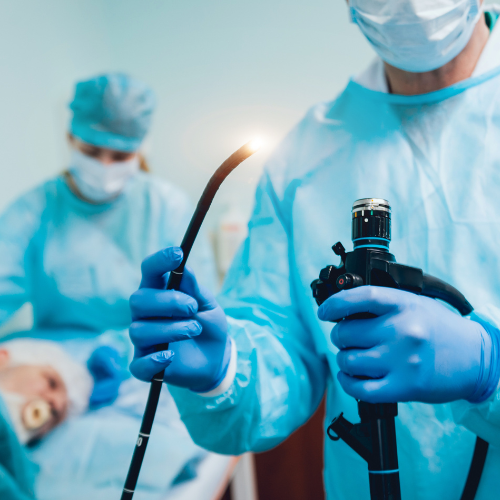
Procedure: A minimally invasive surgery where an endoscope is inserted into the nose to remove blockages and improve sinus drainage, done under general or local anesthesia.
Benefits:
Relieves chronic sinus problems, improving breathing and reducing infections.
Minimizes tissue damage with a quicker recovery compared to traditional sinus surgery.
Reduces facial pain, pressure, and headaches caused by blocked sinuses.
Recovery: Recovery takes about 1-2 weeks, with follow-up care to ensure proper healing and restored sinus function.
Results: Patients experience long-term relief from sinus symptoms, improved airflow, and fewer infections, greatly enhancing their quality of life.
Nasal Septal Surgery
Purpose: Performed to correct a deviated septum, which can cause nasal obstruction, breathing difficulties, or chronic sinusitis.
Procedure: Involves straightening and repositioning the nasal septum, usually done under general anesthesia through a minimally invasive approach.
Benefits:
Improves airflow through the nasal passages, enhancing breathing.
Reduces the frequency of sinus infections and alleviates nasal congestion.
Improves overall nasal function and can enhance the appearance of the nose.
Recovery: Recovery typically takes about 1-2 weeks, with some swelling and discomfort that gradually subsides.
Results: Patients often experience significant improvements in breathing, reduced nasal obstruction, and an overall enhancement in quality of life.
Micro Laryngeal Surgery
Purpose: Performed to treat vocal cord disorders, including polyps, nodules, or tumors, which can affect voice quality and function.
Procedure: Involves the use of a specialized microscope and instruments to remove lesions from the vocal cords, done under general anesthesia through the mouth.
Benefits:
Preserves surrounding healthy tissue while effectively removing problematic lesions.
Improves vocal quality and restores normal voice function.
Minimally invasive approach leads to faster recovery and less postoperative pain.
Recovery: Recovery typically takes about 1-2 weeks, during which voice rest and careful vocal hygiene are essential.
Results: Patients usually experience significant improvement in voice quality and clarity, enhancing their ability to communicate effectively and comfortably.
Nasal Septal Surgery
Purpose: Designed to assess and treat communication disorders, including speech delays, articulation issues, and language processing difficulties.
Procedure: Involves individualized therapy sessions with a speech-language pathologist who uses various techniques, exercises, and activities tailored to each patient’s needs.
Benefits:
Improves speech clarity, language comprehension, and expressive language skills.
Addresses voice disorders, including pitch, volume, and quality of voice.
Enhances social communication skills, aiding in better interactions and relationships.
Recovery: Therapy duration varies based on individual needs; progress is regularly monitored, and goals are adjusted as necessary.
Results: Patients often experience improved communication abilities, greater confidence in social interactions, and enhanced overall quality of life.
Vertigo & Balance Disorder Treatment
Purpose: Designed to diagnose and manage conditions causing dizziness, vertigo, and balance problems, often stemming from inner ear disorders, vestibular system issues, or neurological conditions.
Procedure: Involves a comprehensive evaluation by a specialist, including balance assessments, vestibular function tests, and individualized treatment plans that may include physical therapy, medications, or lifestyle modifications.
Benefits:
Reduces symptoms of dizziness and vertigo, improving daily functioning and quality of life.
Enhances balance and coordination through targeted exercises and rehabilitation techniques.
Addresses underlying causes of balance disorders, preventing future episodes.
Recovery: Recovery duration varies based on the condition’s severity; ongoing therapy may be required for optimal results.
Results: Patients often experience significant relief from symptoms, improved stability, and greater confidence in performing daily activities.
Book Your Appointment
For appointments, inquiries, or more information about our Treatments, please reach out to Guhan ENT Hospital. Our dedicated team is here to assist you with all your ENT healthcare needs.